Preview image. Unlock full-res
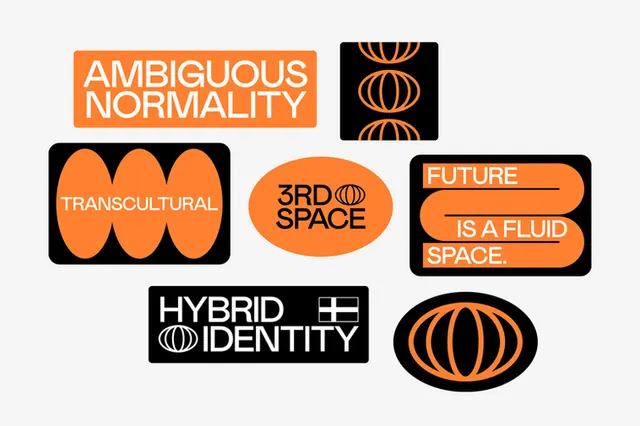
Nine geometric logo concepts in black and bright orange exploring visual paradoxes and hybrid forms through symmetrical shapes and text.
Summary
Nine concept marks exploring visual contradiction: ovals with radiating lines, paired ellipses, organic shapes interlocking, each paired with hand-drawn or geometric wordmarks like "Hybrid Identity" and "3rd Space."
Visual description
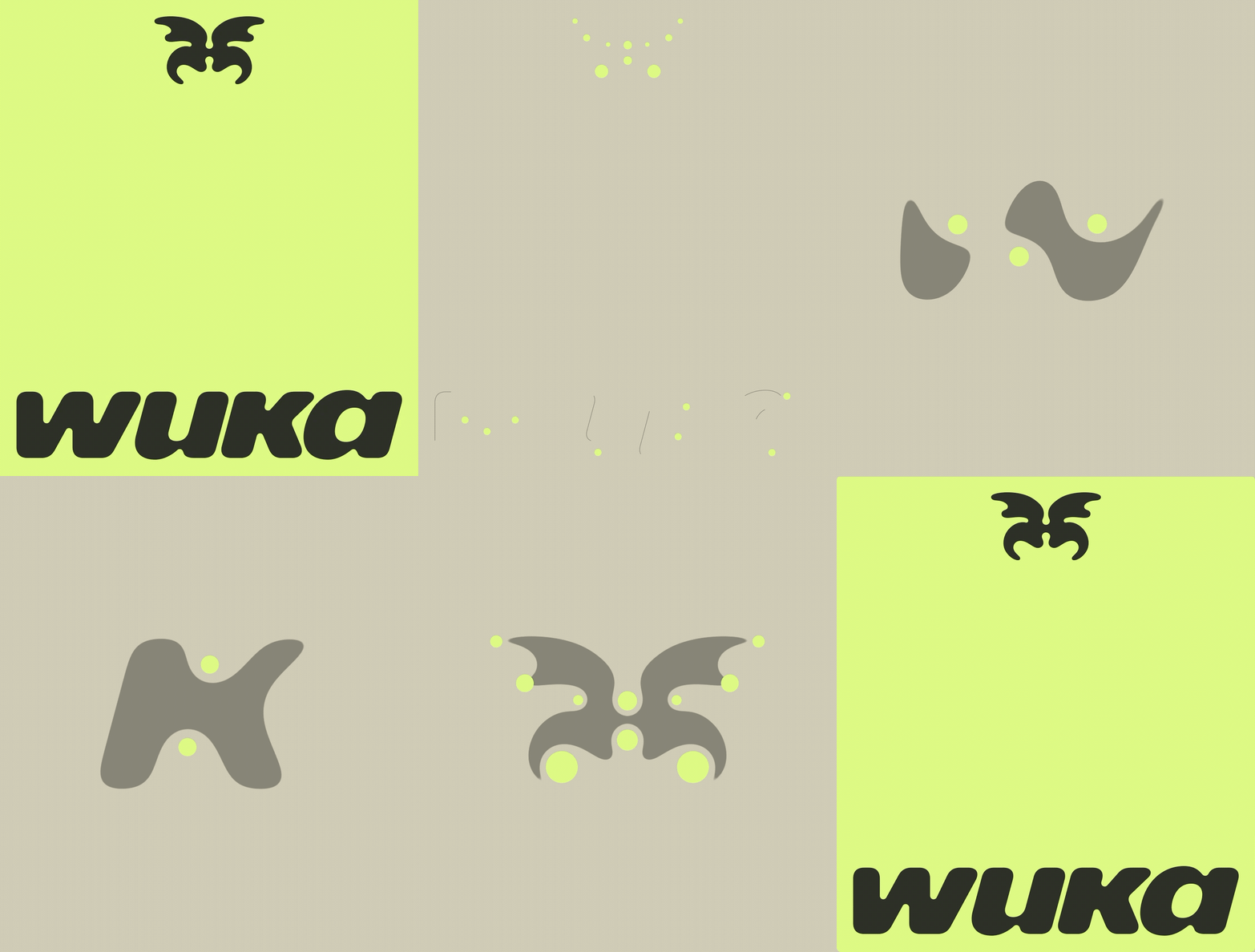
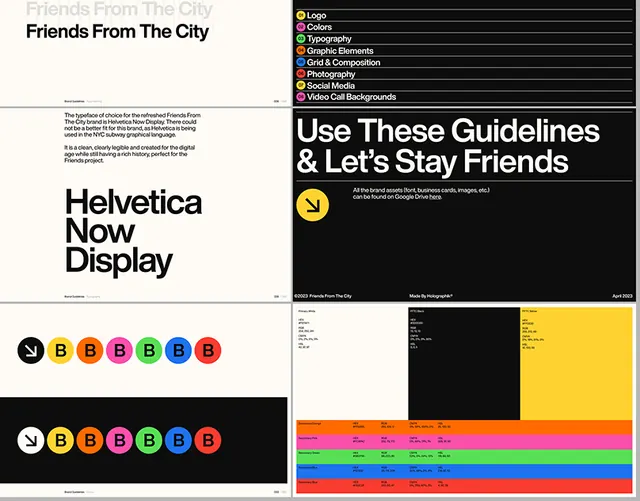
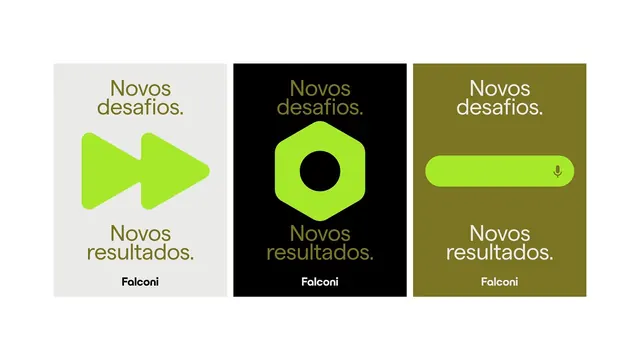
Grid layout on light gray background. Nine distinct glyphs arranged in 3x3. Black marks paired with bright orange on opposite backgrounds. Elements include concentric ovals with vertical striping, paired semicircles facing inward, rounded triangles layered in perspective, organic bulbous forms. Each glyph has accompanying text in sans-serif set in orange or black boxes. Bottom-right element features a simple oval with horizontal striping texture. Forms emphasize symmetry and repetition. Overall reads as an identity system exploring shape relationships and optical play.
Key takeaway
Pairing black and orange in equal weight creates bold contrast without hierarchy. Using the same geometric principles across all glyphs (striping, paired forms, repetition) unifies what could feel like disparate concepts. Packaging text in colored boxes makes each concept feel complete even when shown as component marks. The grid format suggests modularity and system thinking, valuable for showing a brand's conceptual underpinning rather than a single lockup.
Reuse notes
Strong for conceptual, academic, or design-forward brands that want to show thinking behind the mark. Works as a presentation of design process or brand values exploration. High contrast ensures legibility in small, repeated applications. The striping texture adds visual interest to solid geometric shapes. Excellent reference for tech, innovation, or creative-services brands. Not ideal for situations requiring a single, simple mark; this approach emphasizes conceptual richness.