Preview image. Unlock full-res
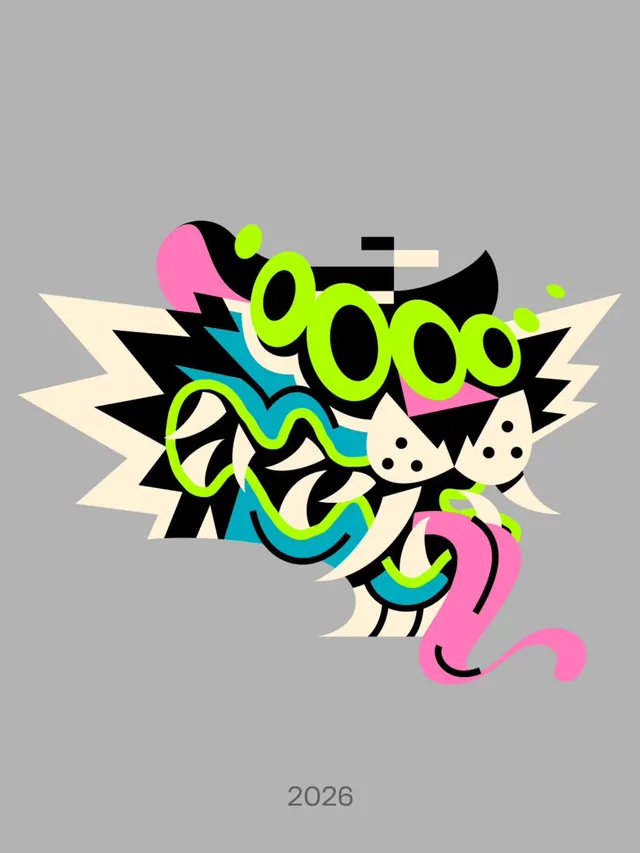
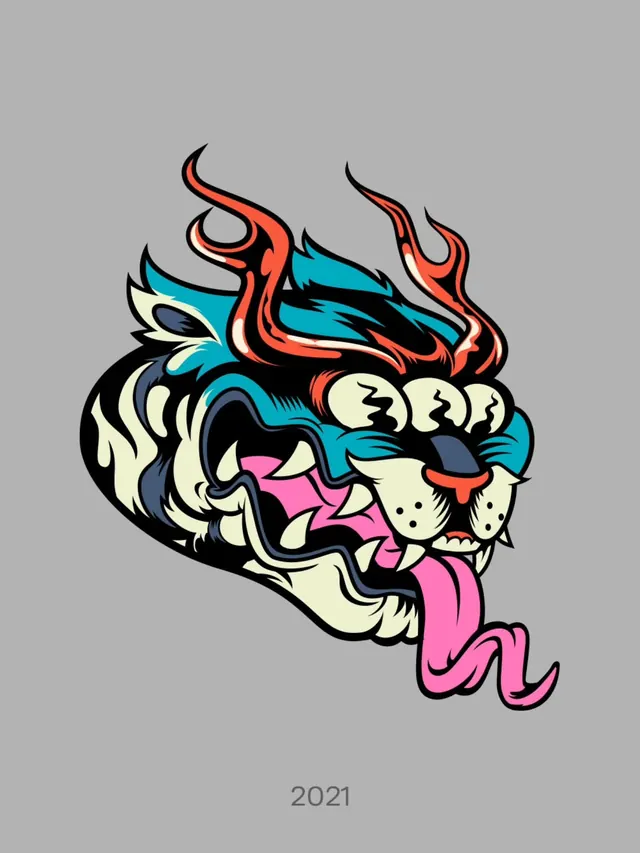
Side-by-side illustration showing the same character design concept redone five years later, demonstrating artistic growth and refinement in line work and detail.

Summary
Two illustrations of the same character separated by five years, showing evolved line quality, color refinement, and increased technical control while maintaining the original playful character expression.
Visual description
Image 1 (2026, current): A vibrant character illustration on a light gray background. Thick, energetic line work with bold curves and expressive forms. Colors include bright neon lime green, hot pink, cyan blue, black outlines, and cream accents. Decorative geometric elements (zigzag burst, circular shapes, diamond-like forms) surround the character. Image 2 (2021, original): The same character rendered with similar energy but noticeably less refined line control, softer curves, and slightly looser execution. Same color palette but with different emphasis and application.
Key takeaway
Technical mastery transforms execution but can paradoxically reduce the emotional investment in process. The 2026 version has cleaner lines and more confident color blocking, but the comparison illustrates the artist's reflection that easier execution sometimes removes the creative struggle that makes work exciting. Both iterations maintain strong character appeal and playful energy.
Reuse notes
Perfect for portfolios showing artistic growth and technique evolution. The before-after format is useful for educational content and skill demonstrations. The vibrant color palette (neon lime + hot pink + cyan on gray) is highly contemporary and works well for youth-oriented branding, entertainment design, and character-driven projects. Strong reference for maintaining consistent character identity while refining visual execution. Useful for understanding how technical skill and creative satisfaction relate differently.
From this post: Character design comparison - 2021 vs. 2026 illustration evolution
View post
More like this

Keep what you find
A free account saves references to boards and can send you a weekly email of picks based on what you save.
To see every result, go Pro.