Preview image. Unlock full-res
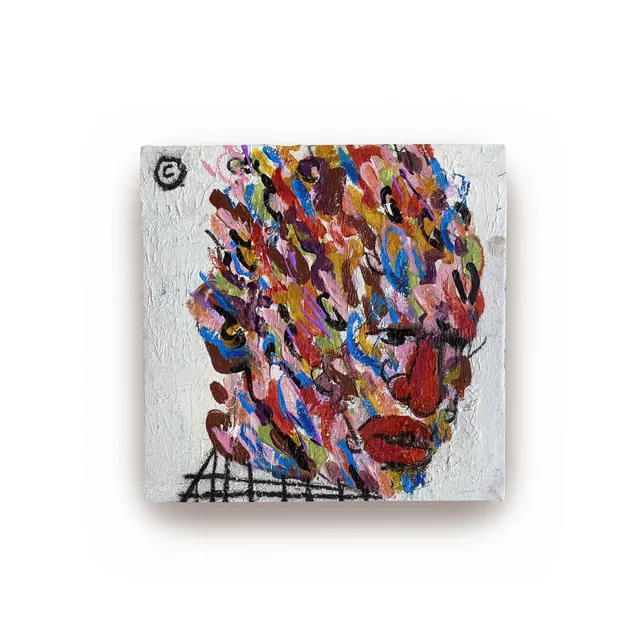
A 12-slide carousel showcasing six large-format oil and mixed-media portrait paintings on canvas, with vibrant color, gestural mark-making, and emotional intensity, alongside detail shots and installation documentation.

Summary
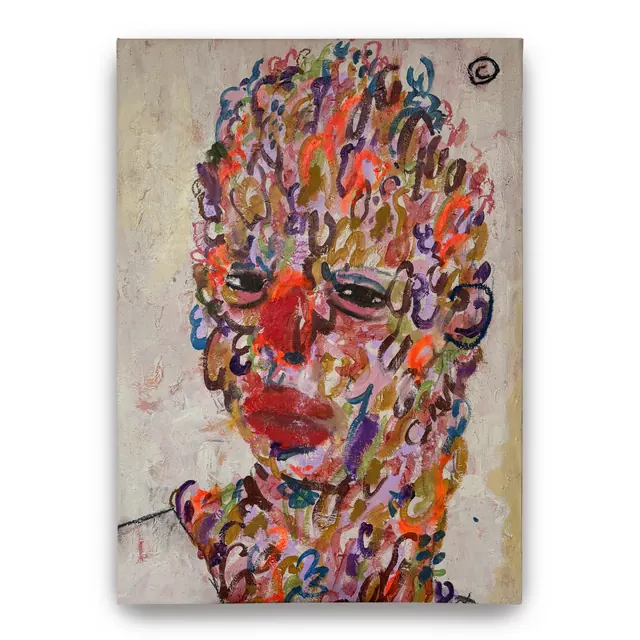
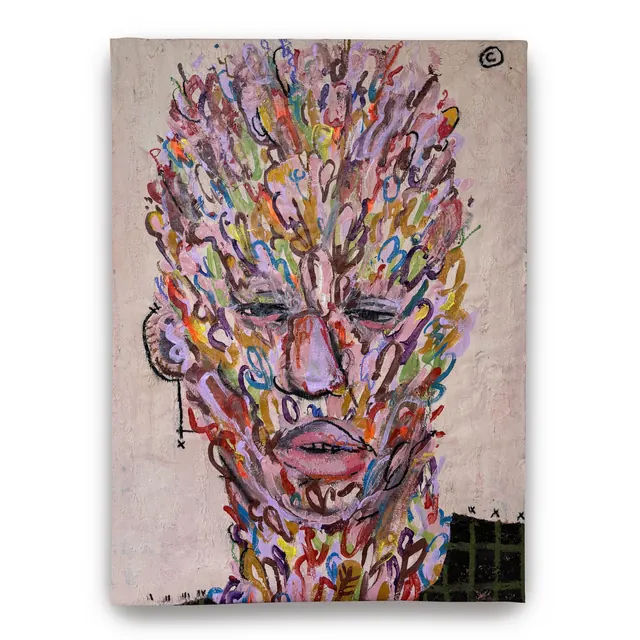
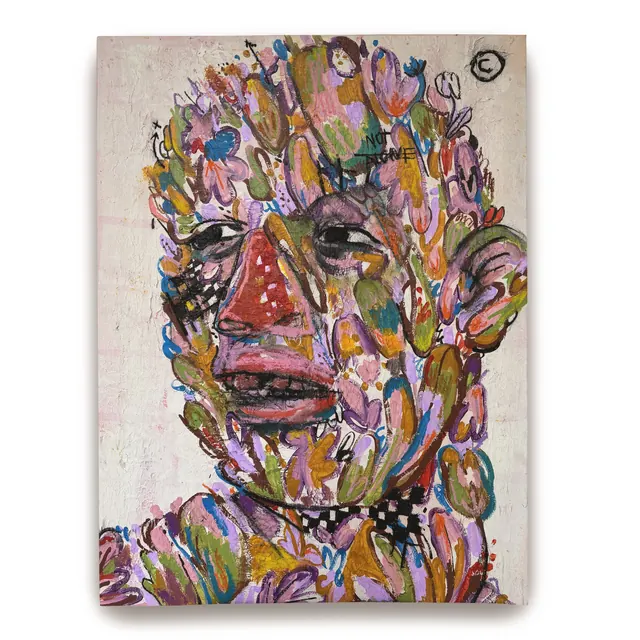
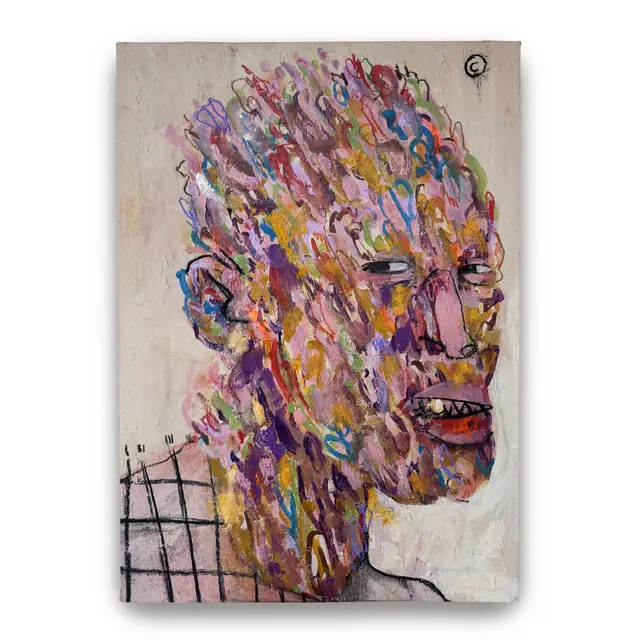
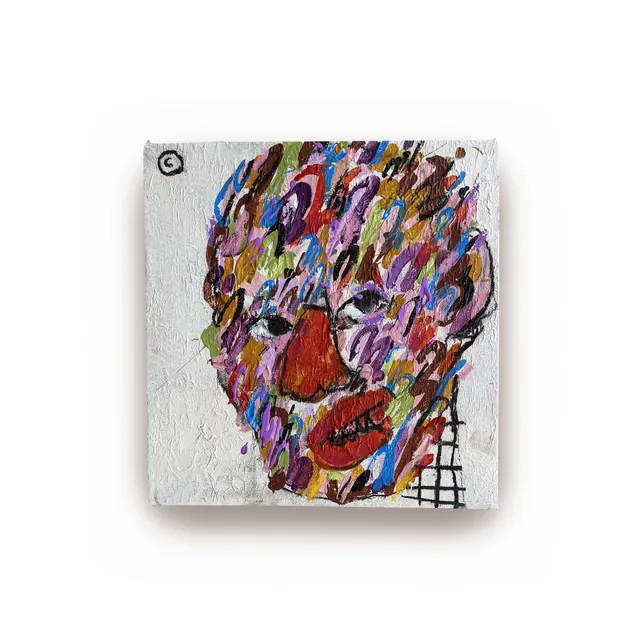
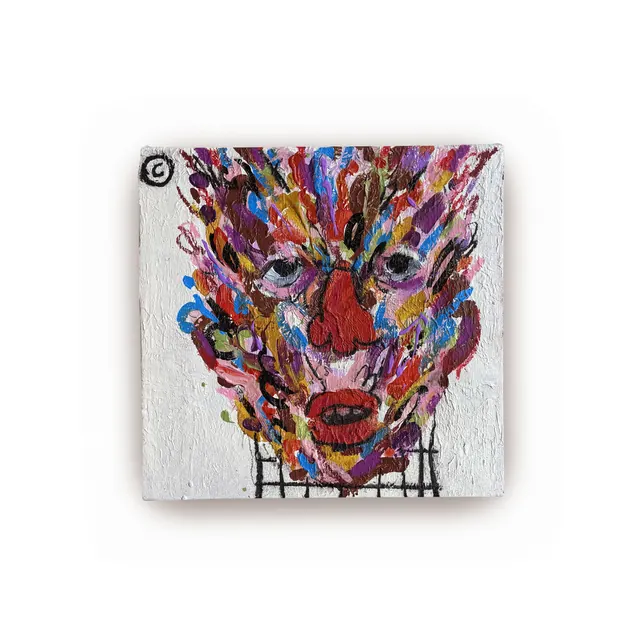
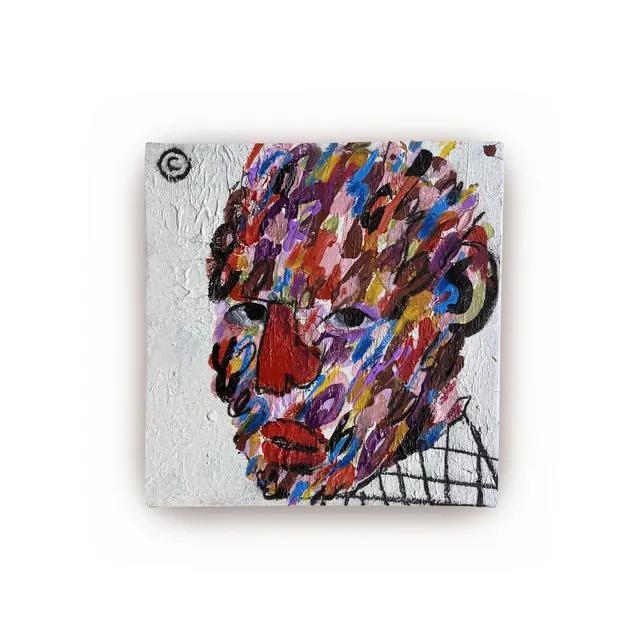
A carousel documenting six monumental figurative paintings (115cm × 100cm–115cm × 100cm × 2cm) created in May 2026, executed in oil, oil stick, pastel, charcoal, acrylics, ash, and paper on canvas. The work combines gestural mark-making, vibrant color overlays, and internal emotional content to create portraits that are simultaneously raw and refined.
Visual description
Slide 1 is a video still showing paint application and the work in progress. Slides 2–12 present finished paintings: each portrait is constructed from layered, colorful brushwork that both obscures and reveals the underlying face. Colors range from warm (reds, oranges, yellows, earth tones) to cool (blues, purples, greens), applied with visible gestural energy. The painted faces emerge from a dense tapestry of marks-swirling lines, color blocks, texture, and deliberate incompleteness. Some faces are rendered with greater anatomical clarity; others dissolve into abstraction. The titles reference internal states: "When You Look At Me," "What You Didn't Say," "An Internal Negotiation," "A Flower in the Sun." Later slides show detail close-ups and installation context. The work feels simultaneously intimate and monumental, vulnerable and confident.
Key takeaway
Portraiture as emotional abstraction-the face as a starting point for exploring internal landscape rather than external likeness. Color saturation and gestural intensity convey psychological depth. The layering strategy creates a visual equivalent of complex emotion: legible but non-literal, expressive but grounded in figuration.
Reuse notes
Reference for contemporary figurative art, portrait-based design systems, and work that balances abstraction with human connection. Use when designing branding or editorial content that wants emotional depth and high color saturation without feeling decorative. The gestural mark-making approach is useful for illustration, texture research, and understanding how layering can add meaning. Strong for mental health, psychology, creative therapy, and cultural institutions exploring identity and interiority.
From this post: Large-format expressive figurative paintings
View post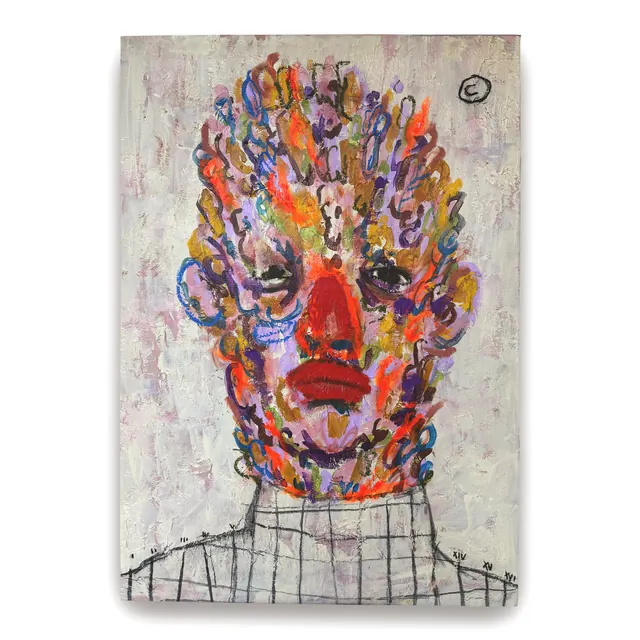
More like this
Keep what you find
A free account saves references to boards and can send you a weekly email of picks based on what you save.
To see every result, go Pro.