Preview image. Unlock full-res
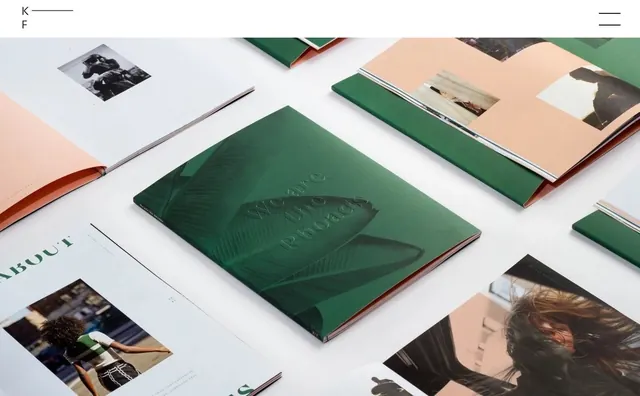
A flat-lay arrangement of open and closed design books and publications shot at a dramatic 45-degree angle, showcasing typography and editorial design across a white surface.
Summary
A sophisticated flat-lay composition of design books and publications shot at a dramatic diagonal angle, showcasing open spreads, book spines, and photography samples across a white surface.
Visual description
The frame is tilted at roughly 45 degrees, creating dynamic perspective. Multiple books lie open and closed across a clean white surface: some showing full-page photography, others displaying open spreads with typography. A pencil or drawing tool runs through the composition. Color palettes vary by book—one features forest green and cream covers, another shows peach and white, a third displays rich burgundy and black photography. Small detail images float throughout (black and white photographic fragments, portraits). The "KF" typography mark appears in the upper left. The overall composition feels intentionally scattered yet balanced, with varied book orientations creating visual rhythm.
Key takeaway
Angled composition adds dynamism to a static subject matter (books). The variety of book covers and open spreads tells a story of design thinking across projects. The mix of typography, photography, and editorial layout creates a rich visual narrative. The subtle warm color palette (creams, peaches, greens) makes the composition feel curated and intentional.
Reuse notes
Strong reference for design studios, agency portfolios, publishing houses, or education materials that want to showcase multiple design projects simultaneously. The angled view prevents the composition from feeling like a standard "book mockup" shot. Works well for creative services marketing. The monochromatic background ensures books (and their spines) remain the visual focus. Consider using for displaying print collateral, editorial work, or a design archive aesthetic.
More like this








Keep what you find
A free account saves references to boards and can send you a weekly email of picks based on what you save.
To see every result, go Pro.