Preview image. Unlock full-res
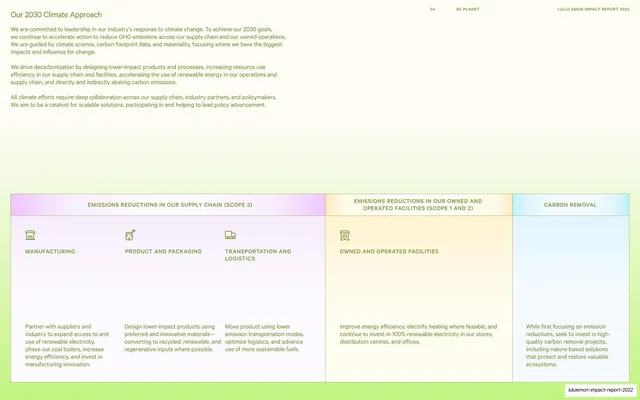
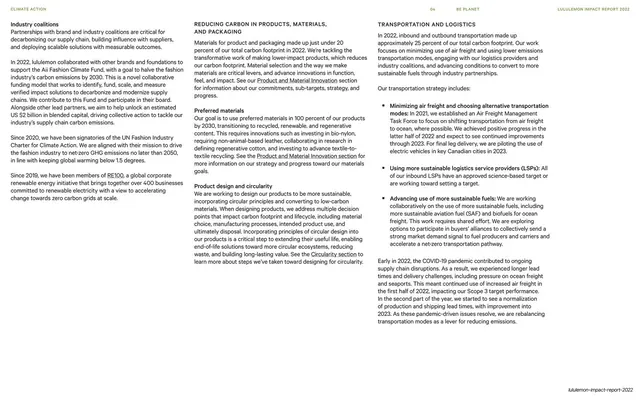
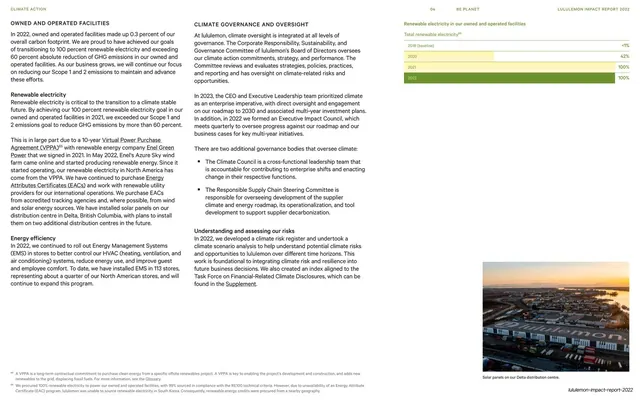
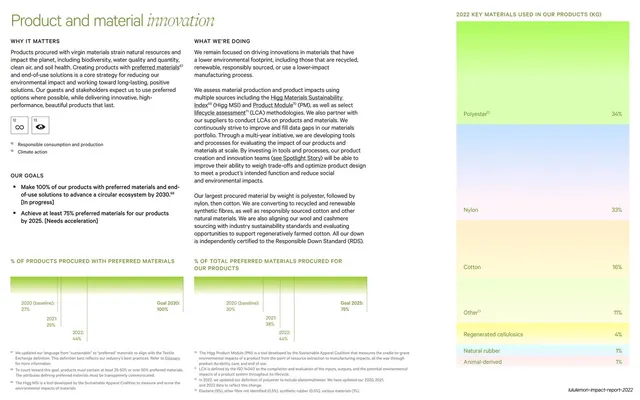
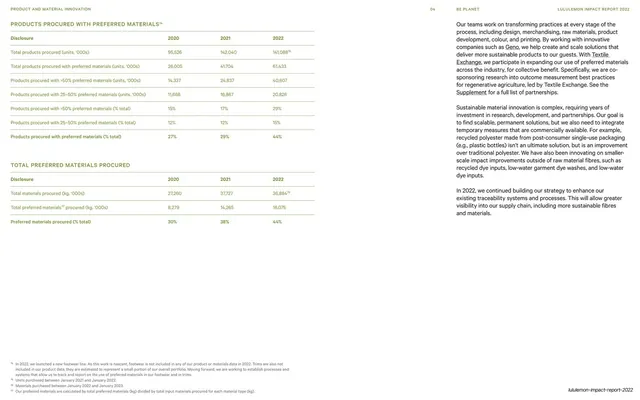
A "2030 Climate Approach" slide with intro copy up top and a three-pillar table below, each pillar headed by a pastel gradient band with icons and descriptions.
Summary
A framework slide: a short intro at top, then a wide three-column table whose pillars (Scope 3 supply chain, Scope 1+2 facilities, carbon removal) are headed by soft pastel gradient bands and broken into icon-led approaches.
Visual description
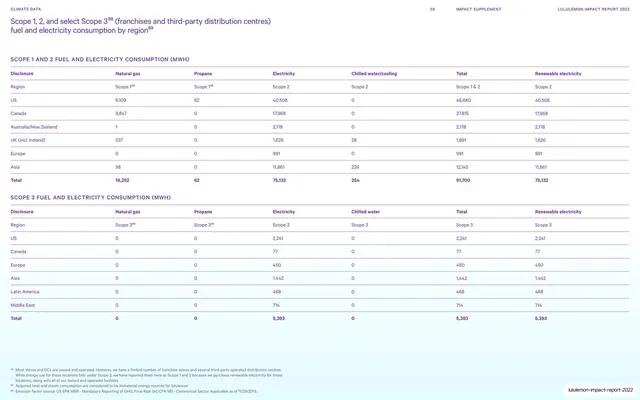
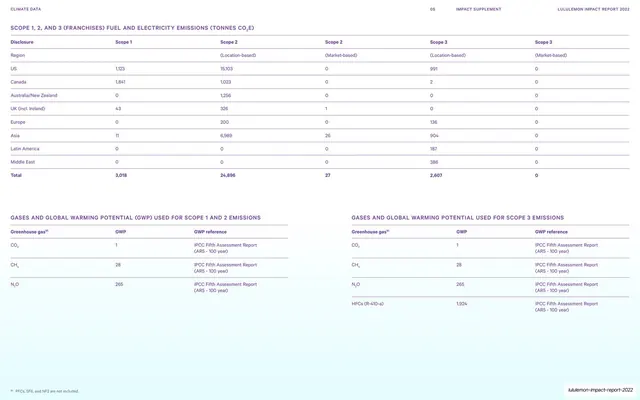
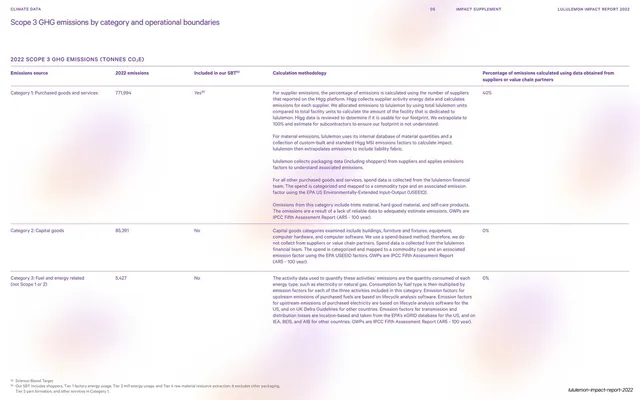
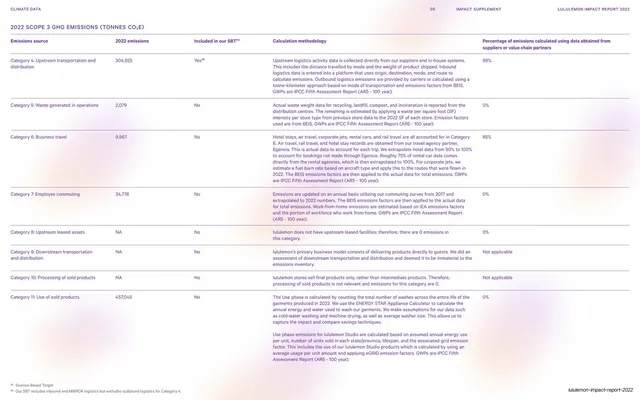
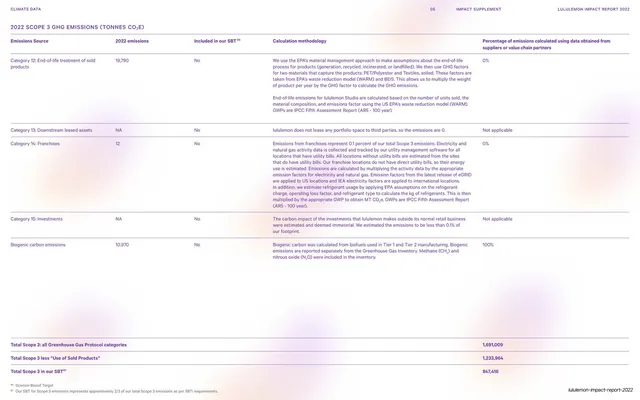
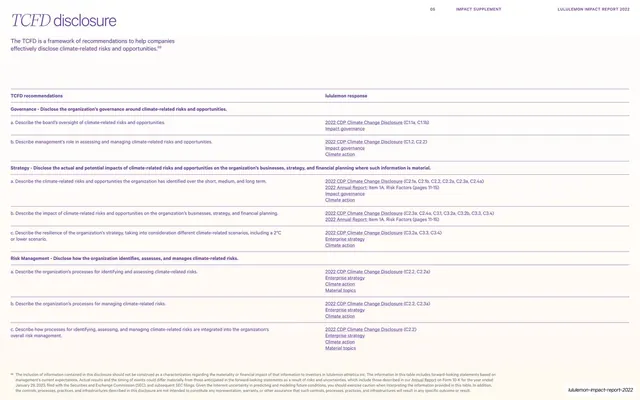
Pale green-cream field. Top-left, the title "Our 2030 Climate Approach" in olive green over three short intro paragraphs of small sans-serif copy; the rest of the upper area is open space. The lower two-thirds is a bordered table. Its header row is split into three colored sections, each a soft pastel gradient: lavender for "Emissions reductions in our supply chain (Scope 3)", warm cream for "Emissions reductions in our owned and operated facilities (Scope 1 and 2)", and pale blue for "Carbon removal." Below, columns carry small olive line icons (a factory, a package, a delivery truck, a building) each with an all-caps label (Manufacturing, Product and Packaging, Transportation and Logistics, Owned and Operated Facilities) and a short description anchored at the cell bottom. A green footer band runs along the base; wordmark bottom-right.
Key takeaway
Color-coding a strategy table by grouping its columns under tinted gradient header bands, so related items read as one pillar at a glance. Icons plus short bottom-aligned captions keep each cell scannable and even.
Reuse notes
A reusable layout for any approach, roadmap, or capability matrix organized into a few grouped buckets. The pastel header bands add warmth to an otherwise plain table; keep them low-saturation so text stays legible. Bottom-aligning the descriptions evens out unequal copy lengths across columns.
From this deck: Our 2030 Climate Approach, three-pillar color-banded table
View deck








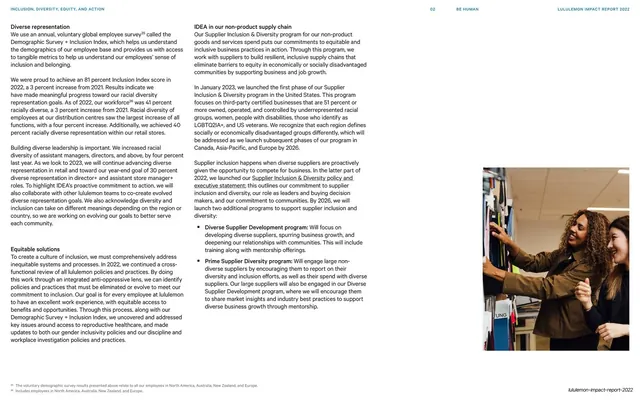
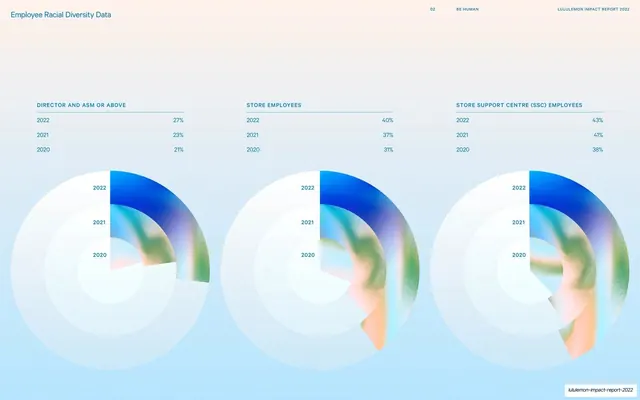
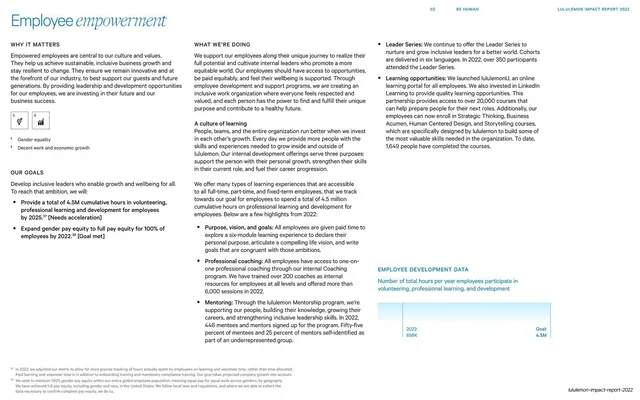
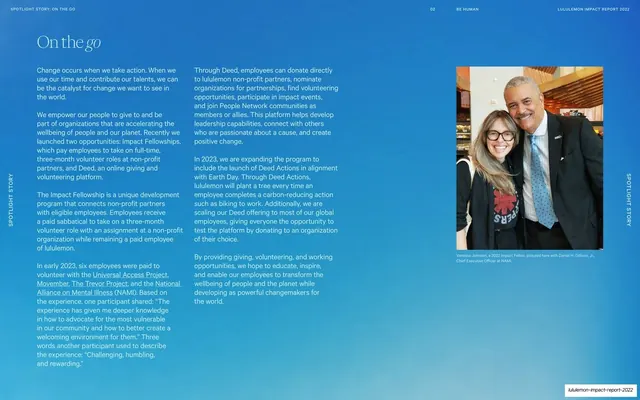



















More like this


Keep what you find
A free account saves references to boards and can send you a weekly email of picks based on what you save.
To see every result, go Pro.